On-Site Kits vs Lab Testing: A Modern Guide to Smarter Drug Screening Decisions
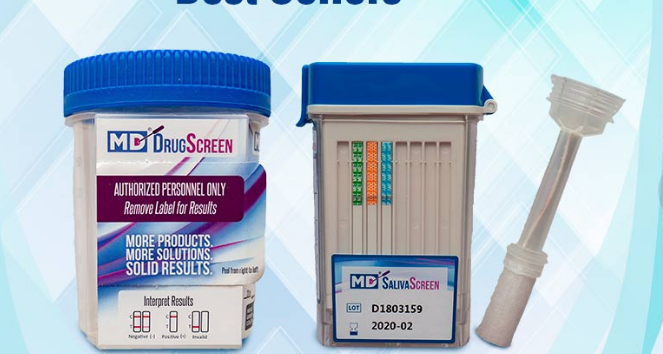
The growing demand for reliable screening solutions has reshaped how individuals and organizations approach testing services. Whether for workplace compliance, healthcare assurance, or personal awareness, finding efficient options is essential when searching for drug testing near me in today’s fast-paced environment. With evolving technologies, two primary methods dominate the landscape: on-site testing kits and laboratory-based analysis. Understanding their differences helps users make informed, timely, and cost-effective decisions.
What makes on-site drug testing kits a popular choice?
On-site kits have seen a notable rise in usage due to their convenience and speed. Recent industry data indicates that rapid testing solutions can deliver results within minutes, making them ideal for workplaces requiring immediate screening. These kits are portable, easy to administer, and reduce the need for specialized facilities. Approximately 65% of small to mid-sized businesses now prefer on-site kits for routine checks due to their affordability and minimal operational disruption.
How accurate are laboratory drug tests compared to on-site kits?
Laboratory testing remains the gold standard in terms of accuracy and reliability. Advanced analytical techniques such as gas chromatography and mass spectrometry ensure precise detection, even at low substance levels. Studies show that lab testing accuracy rates exceed 99%, significantly reducing false positives or negatives. This makes lab testing particularly valuable in legal, medical, and confirmatory scenarios where precision is critical.
What are the cost and time considerations between the two methods?
On-site kits are generally more cost-effective, with lower upfront expenses and no additional processing fees. Results are typically available instantly, saving time in urgent situations. In contrast, lab testing involves higher costs due to sample transportation, specialized equipment, and professional analysis. However, the turnaround time, usually ranging from 24 to 72 hours, ensures comprehensive and legally defensible results.
Which method is better for compliance and regulatory requirements?
For industries governed by strict regulations, laboratory testing is often mandatory. Regulatory bodies emphasize confirmatory testing to ensure compliance with safety and legal standards. On-site kits, while useful for preliminary screening, may not always meet these stringent requirements without lab confirmation.
What trends are shaping the future of drug testing?
The industry is witnessing a shift toward hybrid models that combine the speed of on-site kits with the accuracy of laboratory validation. Digital reporting, AI-driven analysis, and improved detection capabilities are enhancing both methods. Reports suggest that the global drug testing market is expected to grow by over 5% annually, driven by workplace safety initiatives and increased awareness.
Choosing between on-site kits and lab testing ultimately depends on specific needs, whether it’s speed, cost, or accuracy. A balanced approach, supported by current trends and data insights, ensures optimal results in modern drug screening practices.
Proudly powered by WordPress. Theme by Infigo Software.